Prepping Your Ride for Show Season in Arizona
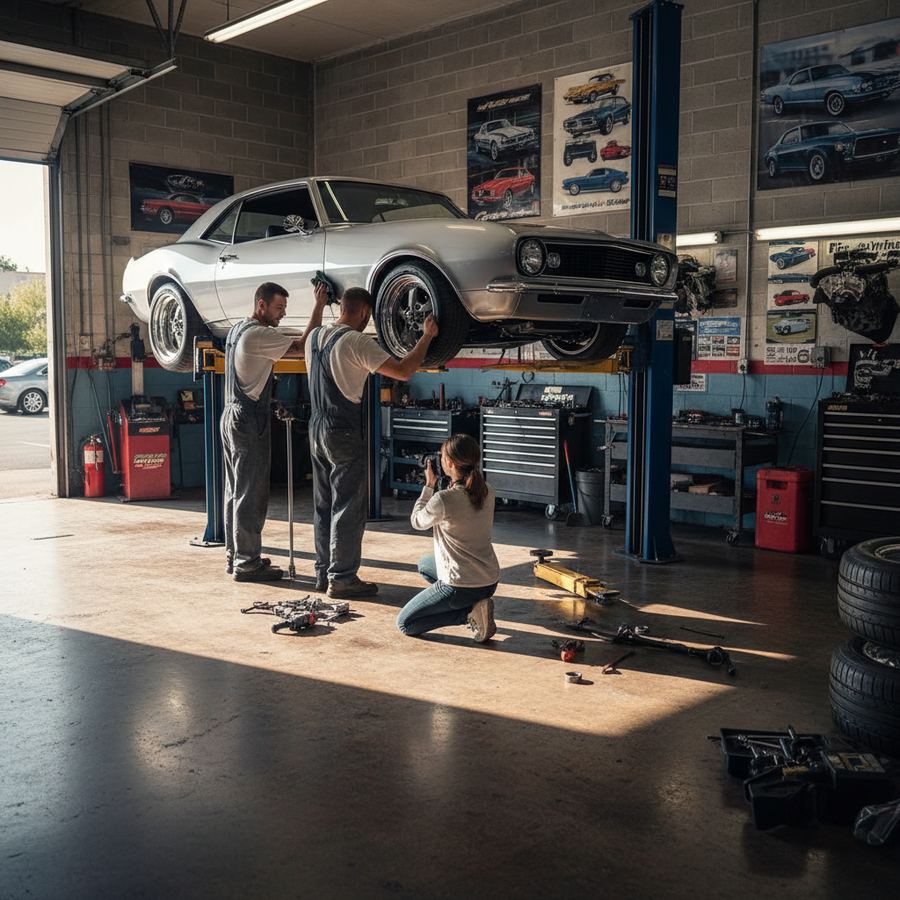
Show season in Arizona does not wait for anyone. By late September the temperatures start dropping into the tolerable range, and from October through April the state runs one of the busiest car show calendars in the country. If your car has been sitting in the garage through the brutal summer months, it needs more than a quick wash before it is ready to roll out. Getting genuinely show-ready means working through a real checklist, and in Arizona, that checklist has a few items you will not find on any generic guide.
Start With the Mechanical Stuff
A clean car that will not start is not show-ready. Before you worry about paint correction or tire shine, make sure the car actually runs right. That means turning the key, letting it idle, and listening for anything that sounds off. If it has been sitting for weeks or months, expect some of the following:
- Dead or weak battery. Arizona heat kills batteries faster than cold ever will. A battery that tested fine in March may be shot by October. Test it under load, not just voltage at rest.
- Flat spots on tires. If the car sat on the same patch of rubber all summer, you might feel vibration at speed. Rolling the car a few feet every couple of weeks during storage prevents this, but if you forgot, a short drive usually works them out.
- Stale fuel. Gasoline degrades. If you did not add stabilizer before storing, the fuel may be varnished. For a short storage period, topping off with fresh premium and running it usually clears things up. For longer storage, you might need to drain the tank.
- Dry belts and hoses. Heat accelerates rubber degradation. Squeeze the hoses, look for cracks, and check belt tension. A serpentine belt that cracks at a show is a bad day.
Change the oil if it has been sitting. Even if the mileage has not changed, oil absorbs moisture from condensation during temperature swings, and Arizona's daily temperature swings between summer days and nights are significant. Fresh oil is cheap insurance.
Fluids, Cooling, and the Arizona Factor
Arizona puts unique demands on your cooling system. If your car is going to idle in a parking lot for hours in 90-degree October heat (yes, October can still hit 90 in Phoenix), the cooling system needs to be in top shape. Flush the coolant if it has been more than two years. Check the radiator cap seal. Make sure the fans kick on at the right temperature. Overheating at a show is embarrassing and preventable.
Brake fluid absorbs moisture over time, which lowers its boiling point. If you plan to drive to shows rather than trailer the car, fresh brake fluid matters. Power steering fluid, transmission fluid, and differential fluid all deserve a look, especially on older vehicles that may have slow leaks you have been ignoring.
Tires and Alignment
Tires age faster in Arizona than anywhere else in the country. The combination of UV exposure, extreme heat, and dry air makes rubber compounds break down years before the tread wears out. Check the DOT date code on your tires. If they are more than five years old, consider replacing them regardless of tread depth. A tire that looks fine but has hardened sidewalls is a blowout waiting to happen, especially on a hot freeway.
Tire pressure needs attention too. A car that sat in a 130-degree garage all summer will have dramatically different pressures than what you set in the spring. Set pressures when the tires are cold, first thing in the morning, before you drive. For show use, many people run pressures slightly higher than street spec to keep the tire profile looking right, but never exceed the sidewall maximum.
If the car pulls or wanders, get an alignment. A proper alignment also ensures even tire wear, which matters if you want the car to sit level and look right. Many Arizona shows are held on uneven parking lots, so having the car track straight when you roll in makes a better impression than you might expect.
Detailing: More Than a Wash
Arizona dust is relentless. Even a garaged car collects a fine layer of desert particulate that embeds itself in every seam and crevice. A proper show detail starts with a thorough wash, but it does not end there.
- Clay bar the paint. Arizona air carries mineral dust that bonds to clear coat. A clay bar removes what washing cannot. Run your hand across the paint after washing. If it feels rough, it needs claying.
- Polish and protect. If the clear coat has swirl marks or light oxidation from UV exposure, a machine polish brings back the depth. Follow it with a sealant or ceramic coating for protection. Wax works too, but it does not last as long in Arizona's UV.
- Interior detail. Leather dries out fast in this climate. Condition it before show season. Vinyl dashboards crack from UV, so a quality UV protectant applied regularly prevents damage. Judges at shows notice cracked dashes.
- Engine bay. Blow out the dust, degrease, and dress the plastics and hoses. A clean engine bay shows attention to detail and separates casual entries from serious ones.
- Wheels and wheel wells. Brake dust bakes on in the heat. An acid-free wheel cleaner and some patience with a detail brush makes a real difference. Clean the wheel wells too. People look.
For glass, use a dedicated glass cleaner and microfiber. Arizona's hard water leaves mineral spots that regular cleaning will not remove. A glass polish or diluted vinegar handles water spots on the outside.
The Pre-Show Inspection
A week before your first show of the season, do a full walkaround with fresh eyes. Look at the car the way a judge would. Check for paint chips, faded or loose trim, cracked weatherstripping, yellowed light lenses, and missing or pitted emblems.
A pre-show inspection from a shop that understands enthusiast vehicles catches the stuff a quick wash misses. Mechanics who work on show cars know to look for things like leaking valve cover gaskets that will drip on a clean engine, exhaust leaks that stain chrome tips, or a power steering pump that weeps just enough fluid to leave a spot on the pavement under the car.
If you plan to enter judged shows, understand the rules ahead of time. Some shows judge by class, some by era, some by modification level. Knowing whether you are competing against stock restorations or modified builds changes what you prioritize. The Arizona car show calendar lists many of the major judged events with their specific formats.
Packing for Show Day
Show day in Arizona means preparing for sun, heat, and dust. Bring:
- A pop-up canopy for shade (check if the show allows them)
- A quick detail spray and microfiber towels for dust touch-ups
- A small air compressor or tire gauge for pressure adjustments
- Sunscreen, water, and a hat for yourself
- Business cards or build sheets if you want to share details about the car
Arrive early. The best spots go fast, and parking in shade (when available) keeps the car cooler and reduces the chance of clear coat damage from prolonged UV exposure during the show. If you are part of a club, coordinate your arrival so you can park together. Clubs that show up as a group get better placement at most events.
Keep the Momentum Going
Once the initial prep is done, maintenance between events is much simpler. A quick wash, an interior wipe-down, and a check of fluid levels takes an hour. Find shows near you by browsing the events page or checking the cruise night schedule. The Arizona car community rewards people who show up consistently.