Arizona Drag Racing Scene: Tracks, Events, and Getting Started
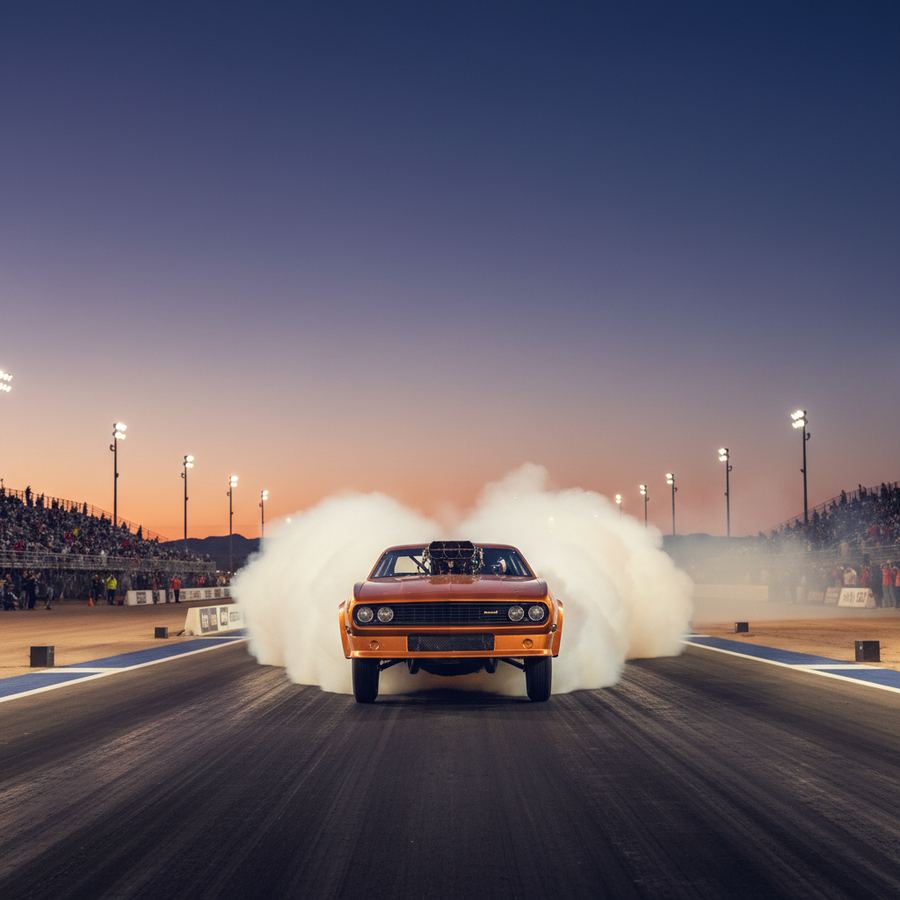
Arizona has a deep drag racing culture. The state has two active drag strips, a history of organized street-legal events, and a grassroots racing community that ranges from guys running 16-second quarter miles in bone-stock trucks to full-tube-chassis builds that could compete nationally. If you have ever wanted to see what your car does in a straight line, Arizona makes it easy to find out.
The Tracks
Wild Horse Motorsports Park (formerly Firebird Raceway)
Located about 30 miles west of downtown Phoenix near the Gila River Indian Community, Wild Horse Motorsports Park is the primary drag strip for the Phoenix metro area. The facility has a quarter-mile strip, a 2.5-mile road course, and an off-road course. For drag racing, the quarter-mile strip is where everything happens.
Wild Horse hosts a packed schedule of events throughout the year. Wednesday night "Test and Tune" sessions let you make passes down the strip for a flat fee, no competition, no pressure. It is literally just you and the track, running your car to see what it does. Friday and Saturday nights feature organized bracket racing and special events. The NHRA Division 7 series makes stops here, bringing national-level competition to the Phoenix area.
The facility went through ownership changes and a renaming in recent years, but the core experience has not changed. The track surface is well-maintained, the timing equipment is professional grade, and the community of racers who call it their home track is welcoming to newcomers.
Tucson Dragway
Located south of Tucson off I-10, Tucson Dragway is the state's other full-length drag strip. The track runs an active schedule with bracket racing, test and tune nights, and special events. The Tucson racing community is tight-knit and has its own character distinct from the Phoenix scene.
Tucson Dragway is slightly more laid-back than Wild Horse, which some racers prefer. The crowds are smaller, the wait between runs is shorter, and there is a friendly, small-track atmosphere that can be lost at bigger facilities. They run classes for everything from street cars to full competition vehicles. If you are in southern Arizona, this is your track.
Street-Legal Racing Nights
Both tracks periodically host street-legal racing nights, which are exactly what they sound like. You drive your street-registered car to the track, run it down the strip, and drive it home. The requirements are basic: your car needs to be street legal, have current registration, and pass a quick safety inspection at the gate. No roll cage required for most classes, though cars running faster than a certain threshold (typically 10.99 or quicker) need additional safety equipment per NHRA rules.
Street-legal nights are the entry point for most drag racers. The fees are modest, usually $20 to $40 for unlimited runs, and the atmosphere is casual. You will see everything from minivans to Hellcats to turbo Civics making passes. Nobody cares what you drive or how fast you are. The point is to have fun, get a time slip, and see where you stand.
These nights tend to draw the most diverse crowds of any drag racing event. The car culture crossover is real: guys who were at a cruise night on Saturday will be at street-legal racing on Wednesday. The two scenes feed each other constantly.
Bracket Racing
Bracket racing is the competitive format that most grassroots drag racers eventually move into. The concept is simple: you declare a predicted elapsed time (your "dial-in"), and the car closer to their predicted time without going under (breaking out) wins. It is a consistency game, not a top-speed contest. A perfectly driven 15-second car will beat a poorly driven 10-second car every time in bracket racing.
Both Wild Horse and Tucson Dragway run regular bracket racing programs with multiple classes. The typical entry fee is $20 to $50 depending on the class and event. Payouts vary but can be solid at the bigger events. Some of the state championship bracket events draw serious competition and offer meaningful prize money.
What makes bracket racing accessible is that you do not need a fast car to be competitive. You need a consistent car and the ability to react on the Christmas tree (the starting lights). Reaction time is half the battle. Plenty of bracket racers run mid-to-high 12-second cars and compete at the top level because they are dead consistent and cut great lights.
The Cars
The Arizona drag racing car population mirrors the state's broader car culture. Big-block Chevys and Ford small blocks are well represented, because Arizona has always been a muscle car state. But the import drag racing scene is strong too, with turbo Hondas, Supras, and DSMs making serious power.
The LS swap is everywhere. You will see LS engines in Camaros, trucks, S10s, Foxbody Mustangs, and things that probably should not have an LS in them. The platform is cheap, makes power easily, and has an enormous support network in Arizona. If you are building a drag car on a budget, the LS path is well-traveled and well-supported locally.
Diesel drag racing has a growing presence too. The rolling-coal trucks running 11-second passes are a spectacle, and there are dedicated diesel classes at several events throughout the year.
How to Get Started
The barrier to entry for drag racing in Arizona is genuinely low. Here is a realistic path from zero to making your first pass.
Step 1: Go watch. Show up at a test and tune night or a bracket race as a spectator. Walk the pits, watch the staging process, see how runs work. Pay attention to how people stage, how the tree works, and what the routine looks like. Most tracks charge a small spectator admission fee.
Step 2: Drive your daily. Pick a street-legal night or test and tune and bring whatever you drive every day. You will not be fast, and that is fine. The goal of your first visit is to learn the staging process, get comfortable with launching on the tree, and get a baseline time slip for your car. The track staff will walk you through the process if you tell them it is your first time.
Step 3: Get consistent. Come back a few more times and focus on repeating the same elapsed time and reaction time on every pass. Do not try to go faster yet. Just try to be predictable. This is the skill that bracket racing rewards, and it is harder than it sounds.
Step 4: Enter a bracket race. Once you can dial your car within a few tenths consistently, sign up for a bracket race. You will probably lose in the first or second round, and that is normal. But now you are racing, and the learning curve steepens fast.
Step 5: Build from there. At this point you will know whether you want to go faster (which means modifications) or get better at bracket racing (which means seat time and tuning your consistency). Either path has a deep community in Arizona ready to help.
Safety
Drag racing is the safest form of motorsport when done at a track. The run is straight, the surface is prepped, there is emergency equipment on standby, and the speed traps give you a long shutdown area. That said, take the safety rules seriously.
Wear closed-toe shoes, long pants, and a shirt with sleeves. Some tracks require a helmet for certain elapsed time thresholds. Remove loose items from your car before making a run. Make sure your battery is secured, your wheels are torqued, and your tires are in reasonable condition. The tech inspectors at the gate are not trying to ruin your night. They are trying to make sure your wheel does not come off at 100 mph.
If your car runs quicker than 11.49 in the quarter, NHRA rules require a roll bar. Quicker than 10.99 requires a full roll cage, fire suit, and SFI-rated equipment. Know where your car falls before you show up, because the track will tech you out if you are not compliant.
The Community
Arizona's drag racing community is active and connected. There are Facebook groups for nearly every niche: bracket racing, import drag, diesel performance, and make-specific groups for the Mustang, Camaro, and Honda crowds. The regulars at both tracks know each other, and the atmosphere in the pits is social and helpful. If your car breaks between rounds, someone in the next pit over will probably have tools and offer to help.
For the broader Arizona automotive scene, our car shows guide covers the show side of things. The East Valley meets are where a lot of the drag racing crowd hangs out on their off nights. And if you are curious about why Arizona is such a strong car culture state in general, the climate and community factors that support the show scene also support the racing scene.