How Small Shops Handle Event Prep in Arizona
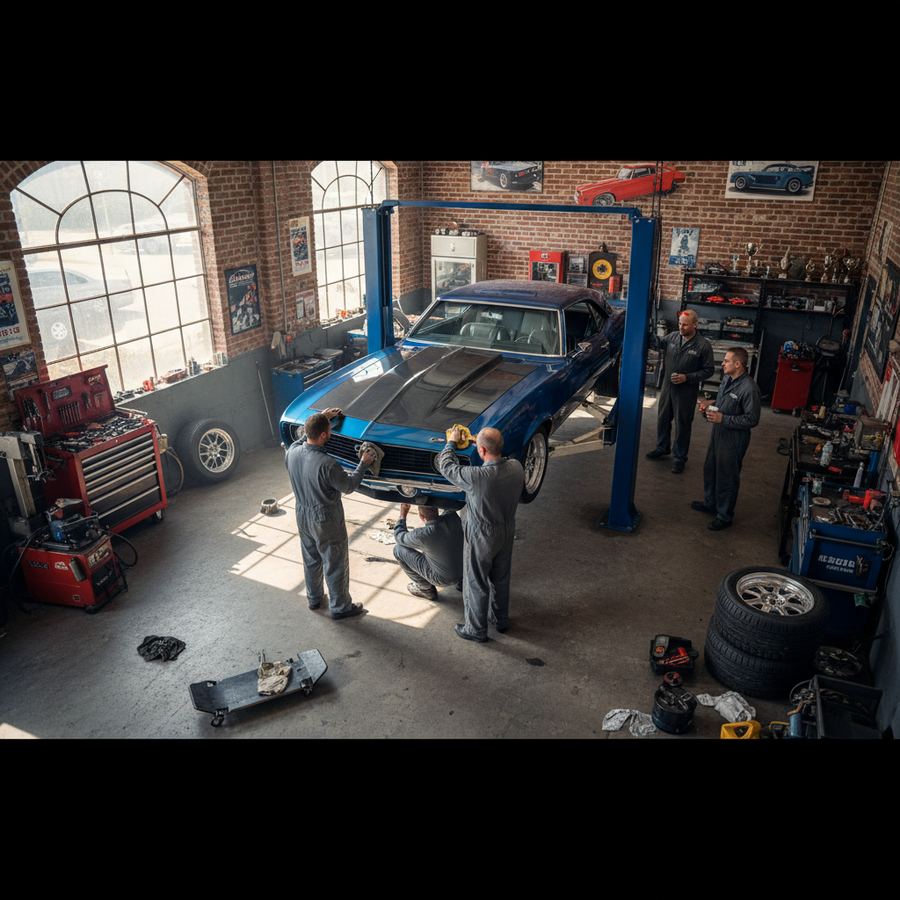
When show season hits Arizona, independent auto shops face a rush that most of the country does not experience. From October through April, thousands of car owners are pulling vehicles out of summer storage, prepping for shows, and trying to squeeze in the work they put off during the months when it was too hot to think about cars. The shops that thrive during this stretch are the ones that plan for it. Here is how the best independent shops handle the crunch.
Understanding the Seasonal Curve
Arizona's car culture follows the weather. Summer is the slow season for anything that is not air conditioning or overheating work. Once temperatures drop in late September and early October, the phone starts ringing with requests that have been piling up all summer. Owners want their classics inspected. They need fluids changed after months of sitting. They want alignments dialed in before the first big show. And they all want it done in the next two weeks.
Smart shops start building their show-season schedule in August. They reach out to regular enthusiast customers and get cars booked before the rush hits. Some offer early-bird pricing for customers who commit before October. This spreads the workload and gives the shop time to order parts rather than scrambling for overnight shipping when the car is already on the lift.
The Multi-Point Inspection for Enthusiast Vehicles
A show-season inspection at a good shop is not the same as a quick oil change with a courtesy check. Enthusiast vehicles need a different approach because the expectations are different. The customer is not just asking "is my car safe to drive?" They are asking "is my car ready to represent me at a show?"
A thorough pre-show inspection typically covers:
- Fluids and cooling system. Oil condition, coolant level and concentration, brake fluid moisture content, power steering, transmission, and differential fluids. Cars that sat all summer often have condensation issues.
- Belts and hoses. Arizona heat degrades rubber faster than any other climate factor. Shops that serve car enthusiasts know to check the date and condition, not just whether the belt still holds tension.
- Brakes. Pad thickness, rotor condition, caliper function, and brake line integrity. On cars that sat for months, rotors often develop surface rust that needs to be driven off or lightly resurfaced.
- Tires. Tread depth, age, sidewall condition, and pressure. Arizona shops see more tire age failures than tread failures because tires degrade so fast in the heat and UV.
- Electrical. Battery load test, charging system check, lights, and any accessories. Batteries fail at a much higher rate in Arizona than the national average.
- Leaks. Valve covers, oil pans, rear main seals, power steering, and A/C. A leak that was minor in spring may have gotten worse over summer as seals dried out. Nobody wants a drip under their car at a show.
- Suspension and steering. Bushings, ball joints, tie rod ends, and shock absorbers. Loose or worn components are safety issues, but they also affect how the car sits and rolls, which matters at shows.
The shops that do this well have a standardized checklist for enthusiast vehicles that goes beyond the standard dealer inspection. Some build custom checklists for specific cars or specific show categories, because what matters for a muscle car heading to a judged show is different from what matters for a daily driver going to a casual cruise night.
Communicating With Enthusiast Customers
Enthusiasts know their cars. They know what has been done, what needs doing, and they have opinions about how things should be handled. The shops that build loyalty treat them as partners, not just another ticket on the board. That means detailed estimates with explanations (not just a number), photos and videos from under the car showing what you found, honest prioritization between safety-critical items and nice-to-haves, and careful handling with fender covers and seat protectors. Enthusiast customers notice the small details.
Scheduling and Workflow During the Rush
The operational challenge of show season is volume. Enthusiast vehicles take longer than average because the inspections are more thorough and the work standards are higher. You cannot rush a valve cover gasket replacement on a numbers-matching Chevelle.
Shops using workflow management tools handle the pre-event rush without dropping the ball on details. When a shop is juggling 15 to 20 enthusiast vehicles at various stages of inspection, parts ordering, repair, and customer approval, keeping all of it straight on a whiteboard or in someone's head is a recipe for missed items and frustrated customers.
The practical elements of scheduling during peak season include:
- Staggered appointments. Rather than booking solid from 8 AM to 5 PM, leaving gaps between jobs allows for the unexpected. A "quick inspection" on a 1968 GTO that reveals a brake line issue turns into a three-hour repair if the shop does not have buffer time built in.
- Drop-off flexibility. Many enthusiast customers do not want to wait at the shop. Offering drop-off service and calling when the car is ready keeps bays moving and customers happy. This requires good tracking so the shop knows where every car is in the process.
- Parts pre-ordering. For common show-season items like batteries, belts, hoses, brake pads, and fluids, stocking up before October makes everything run smoother. A shop that has to wait two days for a battery is a shop that is going to fall behind.
- Realistic timelines. Overpromising is the fastest way to lose an enthusiast customer. If the car needs three days, say three days. Under-promise, over-deliver. A customer who gets their car back a day early is happier than one who was promised same-day and has to wait until tomorrow.
Building Relationships Beyond the Transaction
The shops that become fixtures in Arizona's car scene do more than fix cars. They participate. The best independent shops in the Valley show up at car shows and events, sponsor local car clubs, and build reputations through word of mouth in the community.
A shop that sponsors trophies at a local show, hosts a cruise night in their parking lot, or shows up at Scottsdale Car Week builds the kind of reputation that no advertising can buy. Enthusiasts talk, and a single positive experience gets repeated dozens of times through the community.
What to Look for in a Show-Season Shop
If you are looking for a shop to handle your pre-show prep in Arizona, here are the things that separate a good enthusiast shop from a regular repair facility:
- They ask about your goals for the car, not just what is wrong with it
- They have experience with your type of vehicle or are honest about their limitations
- They provide detailed documentation of what was inspected and what was found
- They prioritize work by safety first, then show readiness
- They have a clean, organized shop (a messy shop is a red flag for detail work)
- Other enthusiasts in the community recommend them
Show season is the best time of year for Arizona's car community, and the independent shops that serve this community play a big role in making it happen. Finding one that works the way you work is worth the effort to search for, and once you find a good one, the relationship pays off for years.