Selling a Car in Arizona: A Practical Guide
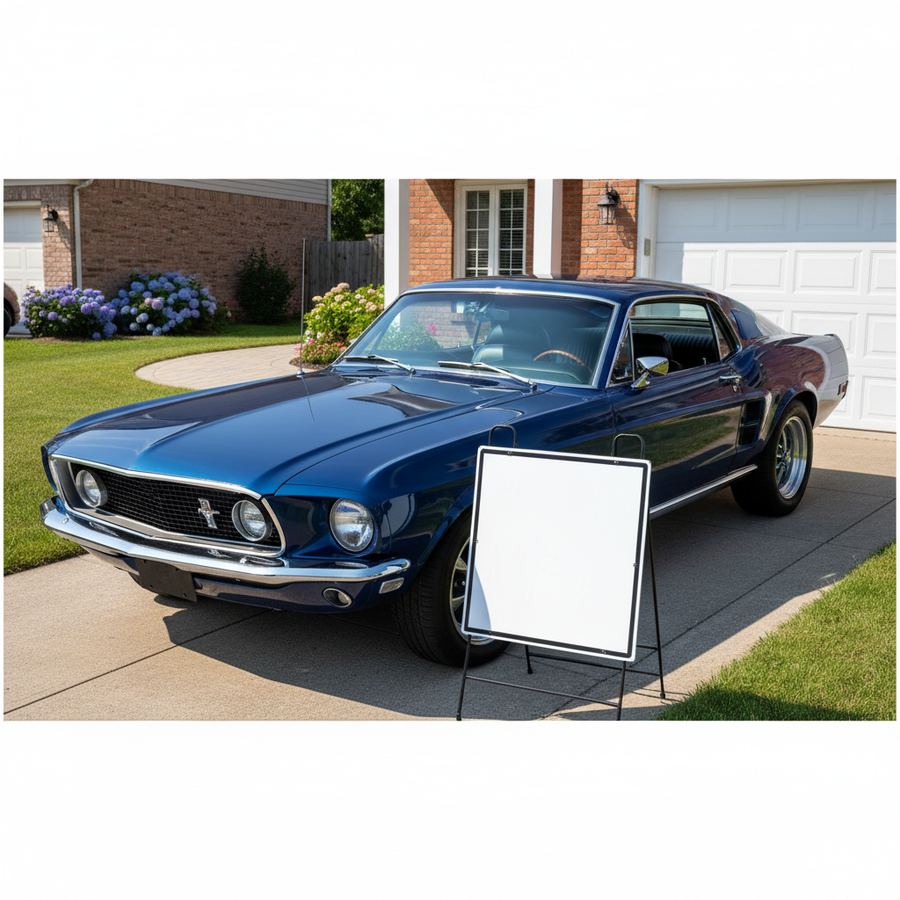
Selling a car privately in Arizona is straightforward once you understand the process. The paperwork is simpler than many states, the buyer pool is large (especially for trucks, off-road vehicles, and anything classic), and the climate means your car probably looks better than its equivalent sitting in a salt-belt state. But there are Arizona-specific details that trip people up if they skip the homework. This guide covers the practical steps from start to finish.
Get the Title Ready
Arizona requires a signed title to transfer vehicle ownership. Make sure you have the physical title and that the information is correct. If you have a lien, pay it off and get the release before listing. This can take a few days to a few weeks depending on the lender, so start early. If you have lost the title, apply for a duplicate through the Arizona MVD online at ServiceArizona.com. The fee is $4. Do not list the car without a title in hand.
When filling out the title at the time of sale:
- Sign exactly as your name appears on the title
- Fill in the sale date and odometer reading
- Do not leave any fields blank. Blank fields invite problems later
- Use a pen, not pencil
- Do not use whiteout or cross out mistakes. If you make an error, you will need a new title
Emissions Testing
Arizona requires emissions testing for vehicles registered in the Phoenix and Tucson metro areas. You are not legally required to provide a passing test as the seller, but many buyers expect it. Exemptions exist for newer model years (current plus four prior), vehicles outside testing areas, certain collector vehicles with special plates, and electric vehicles.
If your car fails emissions, you have a choice: fix it before selling, or disclose the failure and price accordingly. Selling a car with a known emissions failure is legal in a private sale, but you must disclose it. Hiding it will come back to you, and in Arizona's car community, reputation matters.
Pricing Your Car
Arizona's private-party car market has some regional quirks worth knowing:
- Trucks command a premium. Four-wheel-drive trucks and SUVs sell for more in Arizona than national averages due to the off-road culture and the number of people who use them for outdoor recreation.
- Rust-free is a selling point. A car that has lived its entire life in Arizona has a significant advantage over anything from the Midwest or Northeast. Buyers know this and will pay more for a documented Arizona car.
- Classics and collector cars peak in winter. Scottsdale auction week in January brings national buyers to the state, and the increased attention spills over into the private market. If you are selling a collector car, listing between November and March gives you the best buyer pool.
- Summer is slow for enthusiast vehicles. Most people are not shopping for a weekend car in July. If you can wait until fall, you will typically get a better price.
For pricing, check completed sales on Bring a Trailer, eBay Motors, and Facebook Marketplace for comparable vehicles. Asking prices on Craigslist and Marketplace are not sale prices. What people actually paid is what matters. Price slightly above your target to leave room for negotiation, but do not overshoot so far that you scare off serious buyers.
Photographing the Car
Good photos sell cars. Bad photos lose buyers before they ever read the description. Arizona's natural light is an advantage here, but you need to use it correctly.
- Shoot during golden hour. Early morning or late afternoon light is warm and even. Midday Arizona sun creates harsh shadows and washed-out paint.
- Clean the car first. Half the listings on Marketplace feature dusty cars in cluttered garages. Wash it, clean the interior, and photograph it in a clean setting.
- Shoot from multiple angles. Front three-quarter, rear three-quarter, both sides, straight-on front and rear. Add close-ups of the interior, engine bay, wheels, and any flaws.
- Document flaws honestly. Buyers respect honesty and distrust listings that only show the good angles. Showing flaws upfront reduces time wasters.
- Use a neutral background. An empty parking lot, your driveway, or a quiet street. Arizona's desert landscape works well for trucks and off-road vehicles.
Aim for 15 to 25 photos minimum. A listing with three blurry photos signals that the seller does not care.
Writing the Listing
Cover the basics first: year, make, model, trim, mileage, VIN. Then add maintenance history, known issues, modifications, ownership duration, Arizona history (no salt, garage kept), emissions status, and title status (clean, rebuilt, salvage). Write like a real person. "Runs and drives great" tells the buyer nothing. "New timing belt and water pump at 95,000 miles, fresh alignment, pulls straight, A/C blows cold" tells them everything.
Where to List
Arizona sellers have plenty of options depending on the type of vehicle:
- Facebook Marketplace. The highest volume of local buyers. Good for everything from daily drivers to project cars. The messaging system is convenient, but be ready for lowball offers and no-shows.
- Craigslist. Still active in Phoenix and Tucson. Attracts a slightly different buyer pool than Marketplace. Good for trucks and work vehicles.
- Enthusiast forums and groups. If you are selling a specific type of vehicle (classic Mustang, Jeep, Miata, etc.), the relevant forum or Facebook group puts your car in front of people who actually want it. Arizona-specific groups like local muscle car and truck communities are especially active.
- Bring a Trailer and Cars & Bids. For collector and enthusiast vehicles, auction platforms provide national exposure and often achieve higher prices than local sales. The fees are worth it for the right car.
- Car shows. Bringing the car to a local show with a "for sale" sign is old-school but effective. Buyers at shows are already enthusiasts, and they can see the car in person before reaching out.
Handling the Sale
Once you have a buyer, the transaction process in Arizona is simple:
- Meet in a safe location. A bank parking lot, a police station, or a well-lit public area. Some Arizona cities offer designated safe transaction zones. Do not invite strangers to your home.
- Verify payment. Cash is king for vehicles under $10,000. For higher amounts, a cashier's check from the buyer's bank is standard. Accompany the buyer to their bank if you want to be certain the check is real. Do not accept personal checks or payment apps for the full amount.
- Sign the title. Both seller and buyer sign. Fill in the sale price, date, and odometer reading. The buyer keeps the title.
- Write a bill of sale. Arizona does not require a bill of sale, but having one protects both parties. Include the vehicle description, VIN, sale price, date, and both parties' names and signatures. Keep a copy.
- Remove your plates. In Arizona, plates stay with the seller, not the vehicle. Remove your plates before the buyer drives away. The buyer will need to register the vehicle and get new plates.
- Notify the MVD. Submit a sold notice to the Arizona MVD within 15 days. You can do this online at ServiceArizona.com. This protects you from liability if the buyer gets into an accident or racks up tickets before registering the car in their name.
Selling a car in Arizona is not complicated, but doing it right protects you legally and financially. Take the time to prepare the car, price it fairly, photograph it well, and handle the paperwork correctly. The effort shows in the quality of buyers you attract and the price you ultimately get.
If you are looking to buy rather than sell, browse our classifieds section for Arizona-local vehicles and parts.